In summary:
- Shift your mindset from “cost per pound” to “flavor per dollar” and “shelf life per item” to see the true value.
- Master simple food preservation techniques to drastically reduce waste and make your haul last longer.
- Learn to identify authentic farmers versus resellers to ensure you’re getting the freshest, highest-quality produce.
- Employ strategic sourcing by buying in bulk during peak season and knowing how to ask for deals on ‘seconds’.
- Build your meals around versatile, high-impact market vegetables to lower costs without sacrificing satisfaction.
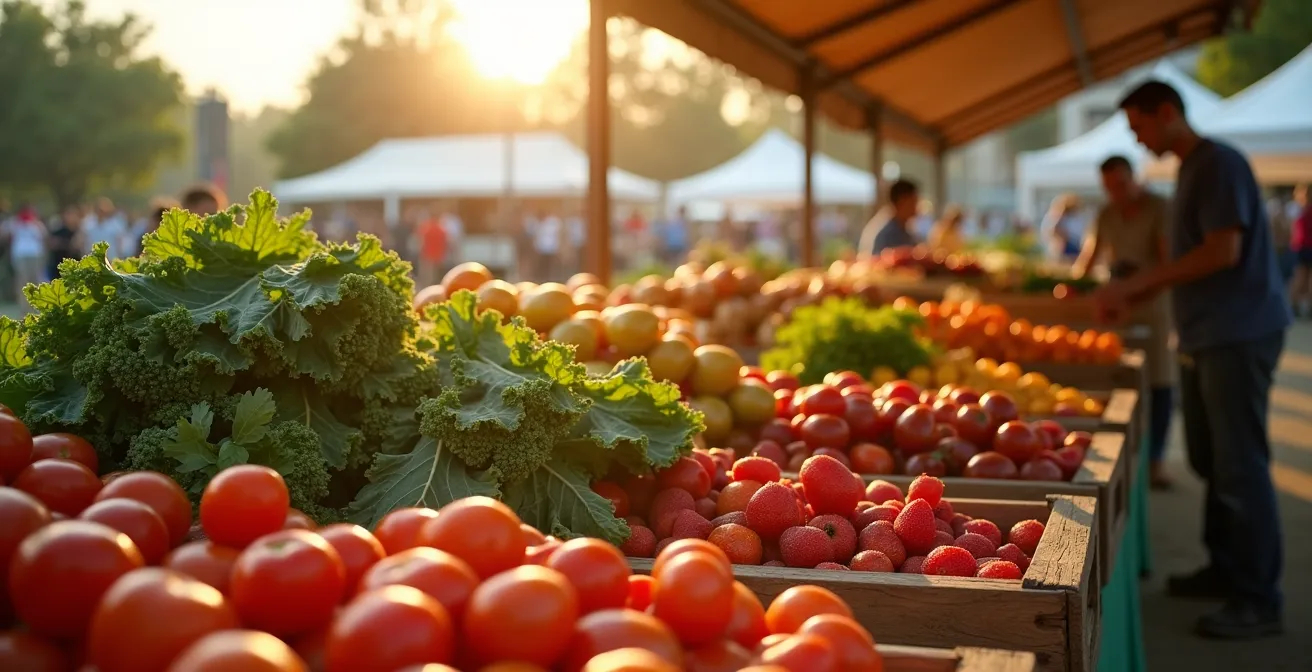
The vibrant stalls of a farmers market are a feast for the senses, but for many, they also trigger a sense of anxiety. The perception is that local, beautiful produce comes with a hefty price tag, making the predictable aisles of a supermarket feel like a safer, more budget-friendly choice. It’s easy to feel intimidated, wondering if you’re getting a fair price or just paying a premium for the rustic aesthetic. Common advice often revolves around simple tactics like “go at the end of the day,” but this barely scratches the surface of a truly effective strategy.
The real barrier isn’t just the price on the tag; it’s a misunderstanding of value. We’re conditioned to think in terms of cost per pound, a metric where industrial-scale grocery stores will almost always win. But what if that’s the wrong way to look at it? What if the key to unlocking the market’s potential isn’t just about saving a few dollars, but about a fundamental shift in how we think about our food? This isn’t about splurging; it’s about investing strategically in flavor, nutrition, and longevity.
This guide will change your perspective. We’ll move beyond the generic tips and equip you with a new framework for shopping. You’ll learn to see the market not as an expense, but as your greatest culinary asset. By focusing on concepts like flavor-per-dollar and shelf-life-per-item, you will discover how to assemble a week’s worth of vibrant, delicious meals for under $100, all while supporting your local food system. It’s time to shop with confidence, cook with joy, and eat better than ever, without breaking the bank.
To help you navigate this new approach, this article is structured to build your skills progressively. Below is a summary of the key strategies we will cover, from understanding the inherent quality of local produce to making savvy purchasing decisions that maximize every dollar.
Summary: Your Roadmap to Market Mastery
- Why Eating Local Tomatoes Tastes Better and Saves Carbon?
- How to Store Kale to Keep it Crisp for 10 Days?
- Farmers Market or Grocery Store: Comparing the Real Cost per Nutrient?
- The Sign That a Vendor is Reselling Costco Produce as “Local”
- When to Buy Berries in Bulk for Freezing?
- How to Source Organic Meat Directly From Farmers to Save 20%?
- How to Transition to “Meatless Mondays” Without Feeling Deprived?
- Organic vs. Conventional: Which Produce Items Are Actually Worth the Extra Cost?
Why Eating Local Tomatoes Tastes Better and Saves Carbon?
The difference between a farmers market tomato and a supermarket one is a lesson in food science. Supermarket tomatoes are typically picked green and hard to withstand long-distance shipping, then artificially ripened with ethylene gas. This process prioritizes durability over flavor, halting the natural development of sugars and aromatic compounds that occurs on the vine. A local tomato, however, is vine-ripened, allowing it to reach its peak sweetness and complexity. It’s picked days, or even hours, before you buy it.
This immediate connection to the source is the secret to its superior taste. Beyond flavor, the environmental benefit is significant. The journey from a local farm to your kitchen involves minimal “food miles,” drastically reducing the carbon footprint associated with transportation, refrigeration, and packaging that define the global food supply chain. Choosing a local tomato isn’t just a culinary upgrade; it’s a small but meaningful vote for a more sustainable food system.
To fully appreciate this difference, start exploring heirloom varieties, which are bred for flavor, not for uniformity or shipping resilience. They offer a stunning diversity of tastes, textures, and colors that you’ll never find in a big-box store. Here are a few to look for:
- Brandywine: A classic pink-red beefsteak with a sweet, rich flavor. It’s considered the gold standard for slicing and putting on a sandwich.
- Cherokee Purple: This deep purple-brown tomato has a uniquely smoky and complex sweetness, making it ideal for a simple caprese salad where its flavor can shine.
- Green Zebra: With beautiful green and yellow stripes, this tomato has a tangy, zippy flavor that is perfect for fresh salsas or eating on its own with a pinch of salt.
How to Store Kale to Keep it Crisp for 10 Days?
One of the biggest hurdles for budget shoppers at the farmers market is the fear of produce spoiling before it can be used. Unlike the strangely resilient vegetables from a supermarket, fresh-picked greens are full of life and moisture, which can lead to wilting if stored improperly. Mastering simple storage techniques is crucial for maximizing your shelf-life-per-item and eliminating food waste, which is a major hidden cost in any food budget.
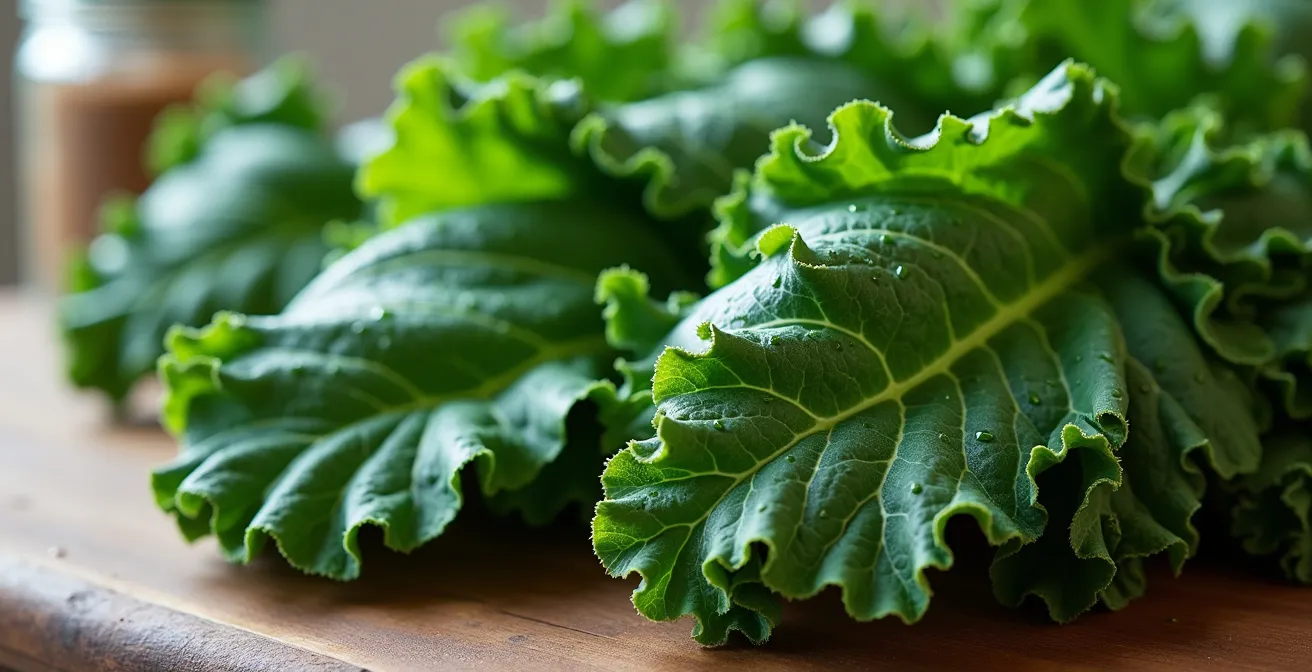
For hearty greens like kale, the goal is to control moisture. Too much will cause rot, while too little leads to limp leaves. The common mistake is leaving them in the thin plastic bag from the market. A far better method is to wrap the unwashed kale bunch in paper towels to absorb excess moisture, place it in a loosely tied plastic bag, and store it in the crisper drawer. For even more impressive results, consider the simple power of aluminum foil.
Case Study: The Aluminum Foil Freshness Method
The simple act of wrapping a bunch of unwashed kale tightly in aluminum foil can dramatically extend its life. In an experiment by Brooklyn Farm Girl, it was documented that kale stored in aluminum foil remained crispy after two full weeks in the refrigerator. The foil creates a perfect moisture barrier, preventing the leaves from dehydrating while also protecting them from the ethylene gas produced by other produce, which accelerates wilting. This low-tech solution requires no special equipment and is a game-changer for reducing waste.
By ensuring your produce lasts for a week or more, you give yourself the flexibility to cook what you want, when you want, without the pressure of a ticking clock. This is the foundation of making a market haul last an entire week.
Farmers Market or Grocery Store: Comparing the Real Cost per Nutrient?
The question “is it cheaper?” is misleading. A pound of carrots at a supermarket may cost less than a pound at the market, but are you getting the same value? The answer is a definitive no. This is where the concept of flavor-per-dollar comes into play. Market produce, picked at its peak, is so intensely flavorful that you often need less of it to make an impact in a dish. A single, fragrant market herb can do the work of an entire plastic clamshell of its bland supermarket counterpart.
Furthermore, freshness is directly linked to nutrient density. The longer produce sits in transit and on shelves, the more its vitamins and antioxidants degrade. The food you buy at the market is fundamentally more nutritious. Recent analysis reveals that a $50 farmers market haul can provide five complete and satisfying weeknight dinners for two people, demonstrating its economic viability when planned correctly. This is because the value isn’t just in the bulk, but in the quality and longevity of the ingredients.
This table breaks down the hidden value you get at the market, a value that a simple price tag doesn’t capture. The true cost of supermarket produce includes its shorter shelf life, higher waste potential, and lower flavor intensity, as a recent comparative analysis demonstrates.
| Factor | Farmers Market | Grocery Store |
|---|---|---|
| Freshness | Picked within 24-48 hours | 7-14 days from harvest |
| Shelf Life | Lasts 7-10+ days | 3-5 days average |
| Flavor Intensity | High – use less in recipes | Moderate – may need more |
| Packaging Waste | Minimal/reusable | Plastic packaging common |
| Price Flexibility | End-of-day discounts up to 50% | Fixed pricing |
When you account for reduced food waste and richer flavor, the farmers market often emerges as the more economical choice. You’re not just buying food; you’re buying better-tasting, longer-lasting, and more nutritious meals.
The Sign That a Vendor is Reselling Costco Produce as “Local”
One of the most intimidating aspects of market shopping for a newcomer is the fear of being duped. How can you be sure the person selling “local” produce isn’t just reselling wholesale items from a warehouse? This is a valid concern, as it undermines the very purpose of supporting local agriculture. Thankfully, there are several clear signs that separate a genuine farmer from a reseller.
A real farmer has an intimate relationship with their products. They can tell you exactly when something was picked, what variety it is, and what challenges they faced growing it this season. Their produce often has character: carrots with a bit of honest dirt still clinging to them, tomatoes in irregular shapes and sizes, and a selection that genuinely reflects the current local season. Resellers, on the other hand, often have produce that looks suspiciously perfect, uniform, and available out of season. Their tables might be filled with pristine cardboard wholesale boxes rather than mismatched, reusable farm crates.
To protect consumers, many markets have established clear rules. The goal is transparency, ensuring you know exactly where your food comes from.
Case Study: The Importance of Transparency Rules
Leading market organizations are proactive in ensuring authenticity. For instance, The Food Trust’s 2024 vendor guidelines require that resold items be clearly labeled with their farm of origin and production methods, and must be displayed separately from the vendor’s own produce. This standard empowers customers to make informed choices and maintains the integrity of the market.
Becoming a savvy shopper means learning to read these cues. It builds confidence and ensures your money is going directly to the people who grew your food.
Your Checklist: 5 Ways to Identify an Authentic Local Farmer
- Ask about a farm visit: Pose the question, “Can I visit your farm?” Genuine farmers are typically proud of their land and will respond with enthusiasm, even if they can’t accommodate visitors right away. A hesitant or evasive answer is a red flag.
- Inspect the produce: Look for natural dirt and imperfections on root vegetables like carrots and potatoes. Resold produce is often unnaturally clean and uniform, looking like it came straight from a large-scale packing house.
- Observe the containers: Check for mismatched, well-used, and reusable farm crates. Vendors using uniform, new wholesale cardboard boxes are more likely to be resellers.
- Ask specific growing questions: Inquire about their methods for pest control or why a certain crop is doing so well this year. A real farmer will have detailed, specific answers; a reseller will be vague.
- Watch the seasonal flow: Pay attention to their offerings over several weeks. An authentic farmer’s table will change with the actual local seasons, while a reseller may have things like tomatoes in May or asparagus in September (depending on your region).
When to Buy Berries in Bulk for Freezing?
High-value items like berries can seem like a budget-breaker at the market. The key is strategic sourcing: buying them at the absolute peak of their season when they are most abundant and therefore least expensive. This is the perfect time to buy in bulk with the intention of preserving them for later use.
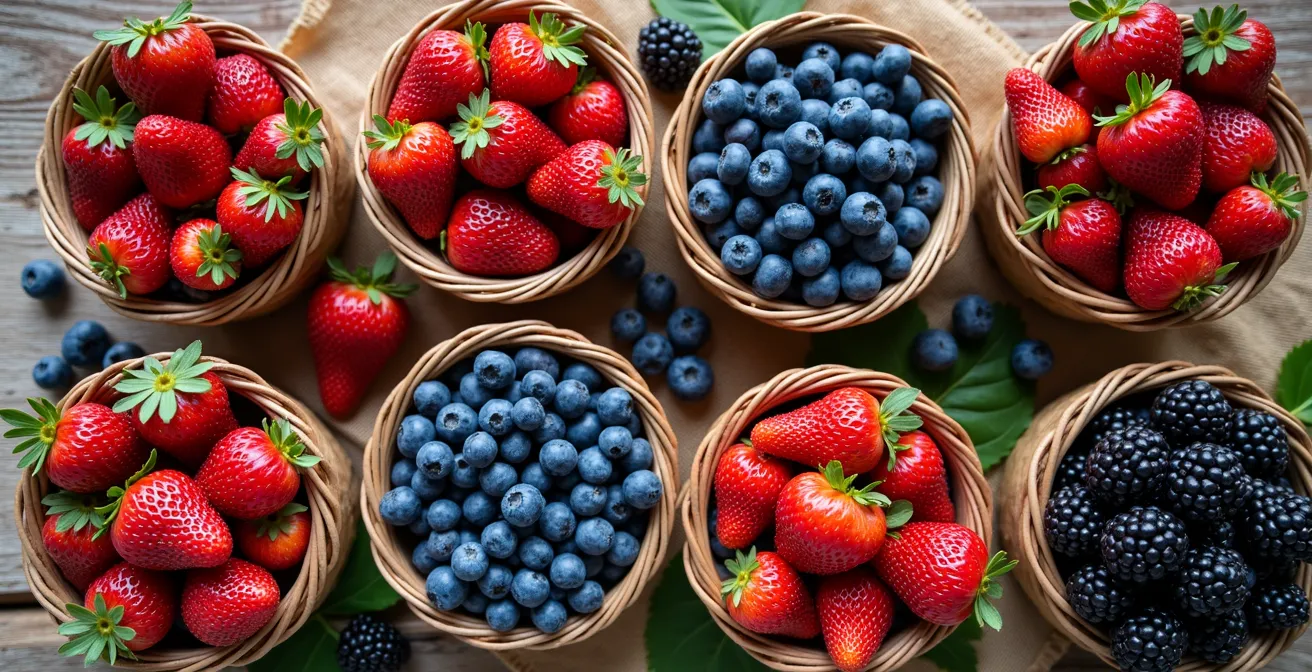
Timing is everything. Visit the market during the last hour of the day. Farmers would rather sell their perishable goods at a discount than pack them up and transport them back to the farm. This is when you can often find deals of up to 50% off. Don’t be afraid to ask a farmer you trust, “Do you have any ‘seconds’ or ‘jam berries’?” These are berries that might be slightly overripe or misshapen—not ideal for a perfect fruit tart, but absolutely perfect for freezing, making smoothies, or cooking down into sauces and jams at a fraction of the cost.
Freezing is the simplest way to preserve this bounty. By capturing berries at their peak, you lock in their flavor and nutrients, giving you the taste of summer in the middle of winter. The trick to avoiding a solid, icy brick of fruit is to flash-freeze them first. Spread the berries in a single layer on a baking sheet and freeze for a couple of hours. Once they are individually frozen solid, you can transfer them to a freezer bag. This way, you can easily pour out the exact amount you need.
This strategy transforms an expensive “treat” into a smart, long-term investment in your pantry, saving you money on out-of-season, flavorless supermarket berries later in the year.
How to Source Organic Meat Directly From Farmers to Save 20%?
For many, meat is the most expensive part of the grocery bill. Sourcing it directly from a farmer or rancher at the market can seem even more costly, but this is where relationship-building and bulk purchasing can lead to significant savings. The sticker price per pound at the market might be higher than at the supermarket, but the quality and the potential for savings through direct-sourcing programs are unparalleled.
Start small. Begin by buying eggs or a small cut of meat from a rancher you want to support. Engage them in conversation. This initial interaction is the first step toward building a relationship that can grant you access to programs like a meat CSA (Community Supported Agriculture) or a “cow share.”
Case Study: From Buying Eggs to Buying a Cow Share
Many farmers market ranchers report a common customer journey. It often starts with a customer consistently buying eggs or ground beef each week. Over time, as trust and familiarity grow, that customer learns about other purchasing options. By joining a meat CSA or buying a quarter or half an animal in a “share,” they can reduce their overall costs by 20-30% compared to retail prices. This model provides the rancher with predictable income and the customer with a freezer full of high-quality, ethically raised meat at a much lower per-pound cost.
As you get to know a rancher, don’t hesitate to ask questions that go beyond what’s visible in the cooler. This simple question can unlock hidden value and introduce you to new culinary experiences:
What interesting cuts do you have that aren’t on display?
– Expert shopping tip, Meal Prep on Fleek farmers market guide
Farmers often have less common but incredibly flavorful cuts like shanks, hanger steaks, or neck roasts that are cheaper and offer a fantastic cooking experience. This is a prime example of how a little curiosity and conversation can directly benefit your budget.
How to Transition to “Meatless Mondays” Without Feeling Deprived?
Reducing meat consumption is one of the most effective ways to lower your weekly food budget, but the idea of a “meatless” meal can feel like one of deprivation for some. The secret is to shift your focus from what’s missing (the meat) to what’s being celebrated: the incredible variety and flavor of market vegetables. This is where your market haul truly shines, demonstrating its culinary efficiency—the ability of high-quality ingredients to create satisfying meals with minimal effort.
Forget sad, boiled vegetables. Think bold textures and deep, savory flavors. High-heat roasting is your best friend. Tossing vegetables like cauliflower, eggplant, or large portobello mushrooms with a bit of oil and salt and roasting them until they are deeply browned and caramelized brings out their natural sweetness and creates a satisfying, “meaty” texture. A perfect market-driven meatless meal is often a “bowl” that layers these incredible flavors and textures.
Building a meal this way is a creative process, not a restrictive one. You start with a hearty base, layer on the star vegetables, and then add elements of richness, crunch, and brightness. This formula ensures every bite is interesting and deeply satisfying, making you forget you ever thought you needed meat. Here’s a blueprint for building the perfect meatless bowl entirely from market finds:
- Base: Start with hearty whole grains. Farro, quinoa, or barley provide a nutty foundation and satisfying chew.
- Vegetables: High-heat roast market cauliflower, eggplant, or portobello mushrooms. Their ability to develop a rich, savory character makes them excellent stand-ins for meat.
- Protein boost: Add a soft-boiled local farm egg or crumble some aged cheese from a market vendor over the top for richness and umami.
- Crunch factor: Finish with a sprinkle of toasted nuts or seeds, which you can often find from specialty vendors at the market.
- Dressing: Ditch the bottled stuff. Blend fresh market herbs like parsley and cilantro with olive oil, garlic, and a squeeze of lemon for a vibrant green sauce that ties everything together.
Key Takeaways
- True value at the farmers market is measured in flavor and shelf-life, not just price per pound.
- Learning to spot authentic farmers and asking smart questions are your best tools for building confidence and finding deals.
- Strategic bulk buying during peak season, combined with simple preservation, is the key to making expensive items affordable year-round.
Organic vs. Conventional: Which Produce Items Are Actually Worth the Extra Cost?
The “organic” label can be another source of confusion and budget stress. While the principles of organic farming are commendable, it’s not always necessary to buy everything organic to stay within a $100 budget. A more pragmatic approach is to be strategic, focusing your organic dollars where they have the most impact. This means understanding which items are most susceptible to pesticide residues and which are relatively “clean” even when grown conventionally.
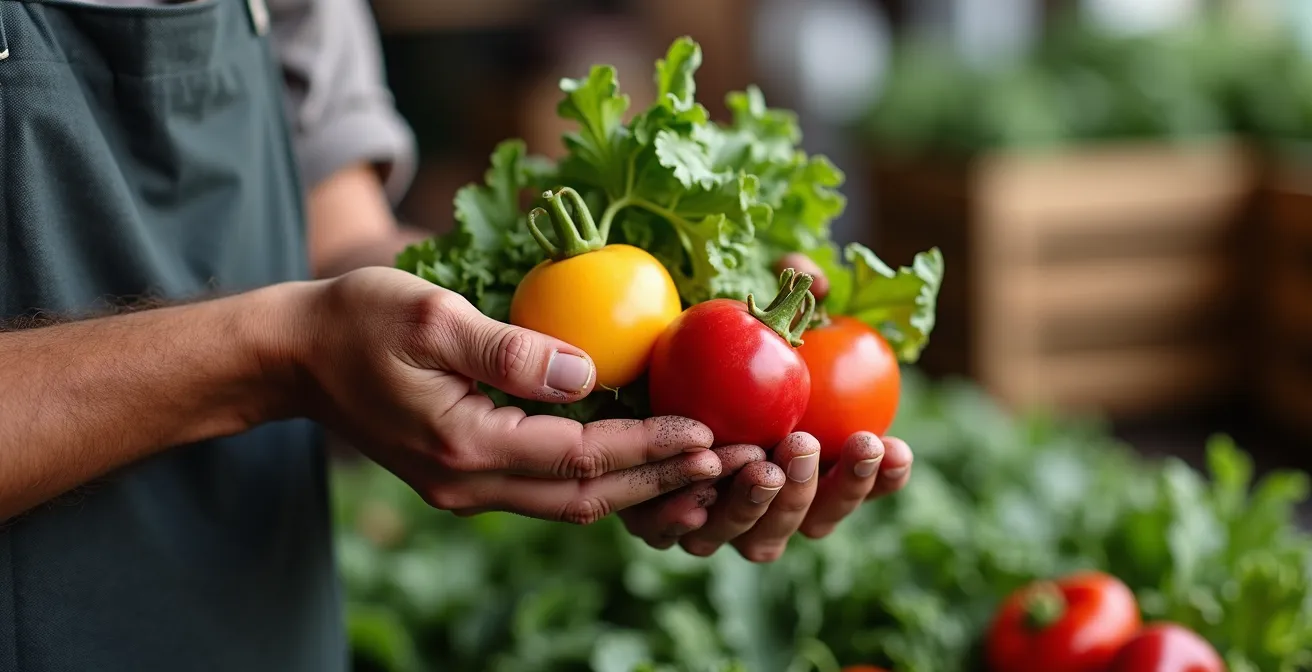
A great rule of thumb is to consider the thickness of the skin. Produce with thin, edible skins, like berries, leafy greens (kale, spinach), and bell peppers, tends to absorb more pesticides. These are often worth prioritizing for organic purchase. On the other hand, items with thick, inedible peels that you discard—such as avocados, onions, sweet corn, and pineapples—are generally much lower in pesticide residues, making their conventional versions a safer bet for a tight budget.
However, the best strategy at a farmers market is to talk to the farmer. Many small farms use organic or near-organic practices but haven’t gone through the expensive and lengthy process of official certification. They may be “uncertified organic” or use integrated pest management that minimizes chemical use. By asking, “What are your growing practices?” you can often find conventionally priced produce that is grown with the same care as certified organic items. This conversation is far more valuable than simply relying on a label and allows you to make an informed decision that aligns with both your health goals and your wallet.
By adopting this strategic mindset, you empower yourself to turn a $100 bill into a week of nourishing, flavorful meals. You’re no longer just a shopper; you’re a curator of your own culinary experience, supporting your local economy one delicious bite at a time. Your next step is to take this guide and put it into practice at your local market this weekend.
Frequently Asked Questions on Shopping at a Farmers Market
Is it really cheaper to shop at a farmers market?
While individual items might sometimes have a higher sticker price, the overall value is often greater. When you factor in superior flavor (meaning you use less), higher nutrient density, and significantly longer shelf life (which reduces food waste), the farmers market frequently becomes the more economical choice for your total weekly food budget.
How do you meal plan from a farmers market without a list?
Instead of a rigid list, go with a flexible template. Plan to buy 1-2 hearty grains, 3-4 types of seasonal vegetables that look best, a good protein source (like eggs or beans), and fresh herbs. This “shop first, plan second” approach lets you take advantage of what’s freshest and most abundant, building your meals around the best of the market’s offerings.
What should you not buy at a farmers market?
The main thing to avoid is out-of-season produce sold by a reseller. If it’s May and a vendor has a huge, perfect pile of tomatoes that look like they belong in August, be skeptical. Use the tips in this guide to identify authentic farmers and ensure you’re buying genuinely local and seasonal goods.